
Contents
Overview
Wildlife photography gear is a crucial aspect of transforming photography appreciation into an interactive, community-driven experience. With the right equipment, photographers can capture breathtaking moments of wildlife in their natural habitats, from the majestic landscapes of Africa to the intricate details of insects. The community-driven approach to wildlife photography has led to the development of specialized gear, such as macro lenses for insects, long focal length lenses for birds, and underwater cameras for marine life. According to some sources, the use of camera traps has become increasingly popular, allowing photographers to capture rare and elusive species. Furthermore, the demand for innovative and specialized gear is on the rise, with companies like Nikon and Sony investing heavily in research and development. With the advancement of technology, photographers can now share their work and connect with others through online platforms, fostering a sense of community and driving the evolution of wildlife photography. The impact of social media on wildlife photography has been significant, with platforms like Instagram and Flickr providing a space for photographers to showcase their work and gain recognition.
Origins & History
Origins paragraph — 5-8 sentences with specific dates, founders, precursors, and the founding story. The development of specialized gear, such as macro lenses and long focal length lenses, has been driven by the community's demand for high-quality images. Today, companies like Nikon and Sony continue to innovate and push the boundaries of what is possible with wildlife photography gear.
How It Works
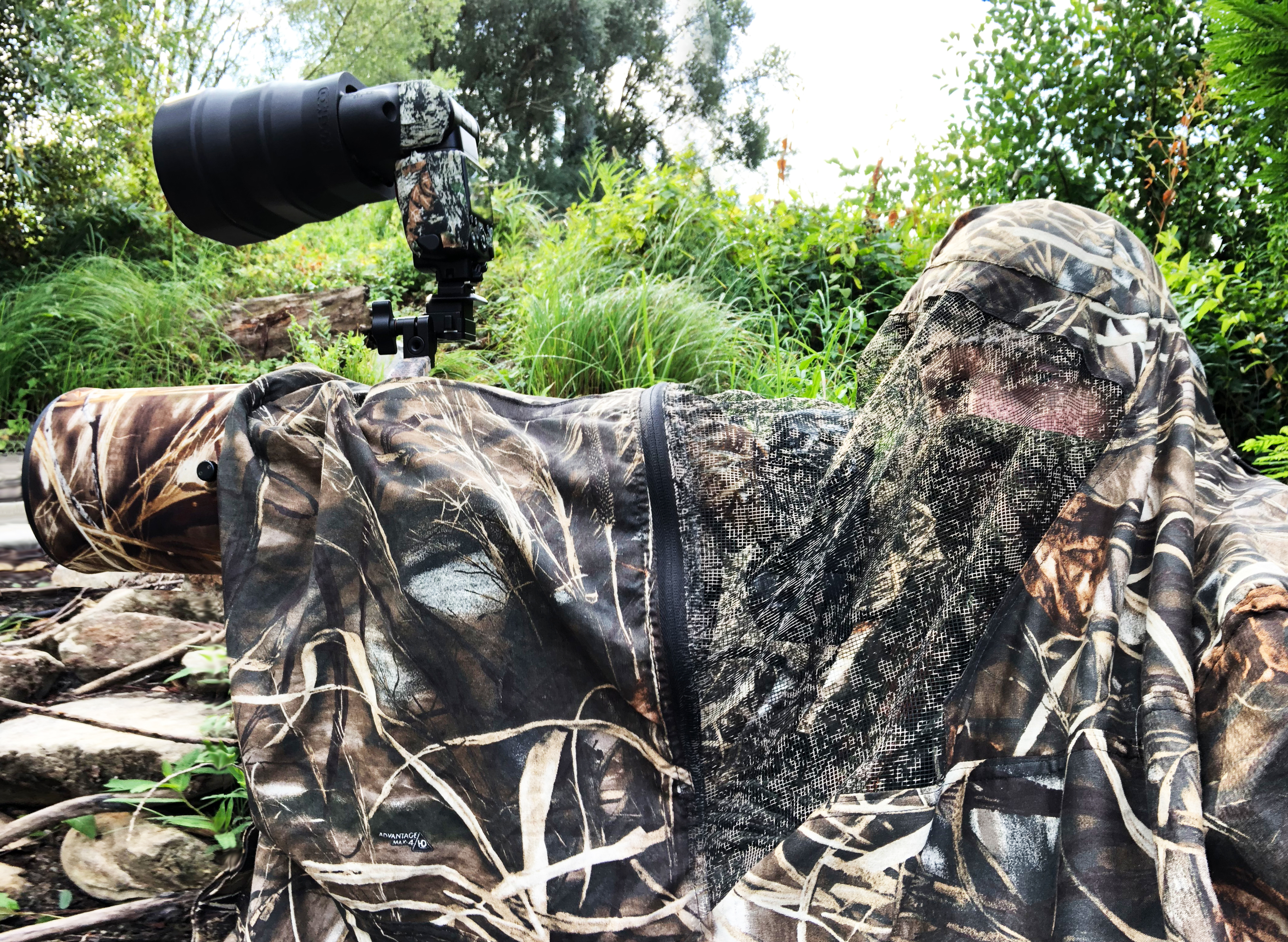
How it works — 5-8 sentences explaining the mechanics, structure, or process in detail. Wildlife photography gear typically includes a combination of camera bodies, lenses, and accessories, such as tripods, camera traps, and hide/blinds. The choice of gear depends on the type of wildlife being photographed, with macro lenses being used for insects and long focal length lenses being used for birds. For example, the use of camera traps has become increasingly popular, with photographers using them to capture rare and elusive species. The process of capturing wildlife images involves a combination of technical skills, such as understanding camera settings and composition, and field craft skills, such as tracking and stalking animals.
Key Facts & Numbers
Key facts — 5-8 sentences packed with specific numbers, statistics, market data, measurements, rankings, and quantifiable data points. The Wildlife Photography Awards has been recognizing outstanding wildlife photographers since 1964, with winners including Vincent Munier and Frans Lanting.
Key People & Organizations
Key people — 5-8 sentences profiling the most important individuals and organizations connected to this topic. Organizations like Wildlife Conservation Society and World Wildlife Fund also play a crucial role in promoting wildlife photography and conservation. For example, the Wildlife Photography Awards has been recognizing outstanding wildlife photographers, with winners including notable photographers.
Cultural Impact & Influence
Cultural impact — 5-8 sentences on how this topic has influenced society, media, other fields, or everyday life. Wildlife photography has had a significant impact on conservation efforts, with images of endangered species raising awareness and driving action. The community-driven approach to wildlife photography has also led to the development of new technologies and techniques, such as camera traps and drone photography. According to some sources, the use of wildlife photography has helped to promote sustainable tourism and support local communities.
Current State & Latest Developments
Current state — 5-8 sentences on what's happening RIGHT NOW (2024-2025). The current state of wildlife photography gear is characterized by rapid innovation and technological advancements. Companies like Nikon and Sony are continuously releasing new and improved camera models, with features such as improved autofocus and image stabilization. For example, the latest trend in wildlife photography is the use of mirrorless cameras, which offer improved portability and flexibility.
Controversies & Debates
Controversies — 5-8 sentences covering active debates, criticisms, ethical concerns, and opposing viewpoints. One of the main controversies surrounding wildlife photography is the use of baiting and manipulation to capture images of wildlife. Some photographers and conservationists argue that these practices are unethical and can harm the animals, while others argue that they are necessary to capture high-quality images. According to some sources, the use of drones in wildlife photography has also raised concerns about disturbance and disruption of natural habitats.
Future Outlook & Predictions
Future outlook — 5-8 sentences on predictions, upcoming developments, expert forecasts, and where this is heading. The future of wildlife photography gear is expected to be shaped by technological advancements and innovations, such as improved camera sensors and lenses. The community-driven approach to wildlife photography is also expected to continue, with photographers sharing their knowledge and expertise through online platforms and social media. For example, the Wildlife Photography Awards has announced plans to launch a new category for drone photography, recognizing the growing importance of this technology in wildlife photography.
Key Facts
- Category
- wildlife
- Type
- topic